


Changes in Catch Volume And Import Prices Have Led To High Seafood Prices in South Korea
Mar 31, 2026
Leave a message
Data released by the Korea Agriculture, Fisheries and Food Trade Corporation on March 22, 2026, shows that South Korea's mackerel exports reached a record high in 2025, while exports of deep-sea caught squid also reached their highest level since 2016. Despite shortages in the domestic market, mackerel exports still hit a record high, reflecting an interesting difference in demand between South Korean and overseas consumers for mackerel of different sizes.
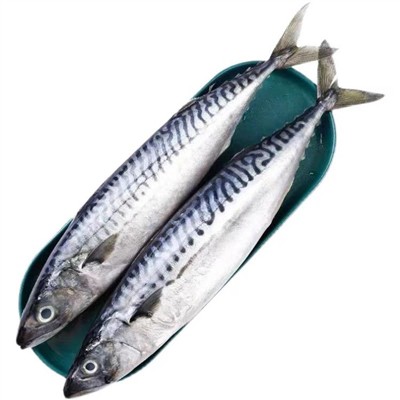
In 2025, the average retail price of frozen mackerel weighing 400 grams or more in South Korea was 4,689 won (approximately US$3.30), a 16.9% increase from 4,012 won the previous year. The price of squid in South Korea rose by 2.6% to 7,104 won, compared to 6,928 won in the same period last year. Government data also shows that consumer prices for mackerel and squid increased by 10.3% and 3.7% year-on-year, respectively. In South Korea, the yield of domestically caught mackerel and squid is extremely scarce and commands high prices, leading to their nicknames "golden mackerel" and "golden squid." However, consumer preferences vary across regions, particularly regarding mackerel size, resulting in a situation of high exports and low supply for South Korean seafood.
The situation is similar for squid. South Korean consumers prefer squid caught along the Korean coast, especially for stir-fries and salads, but rising ocean temperatures have caused a significant drop in catches. According to data from the Korea Ocean Research Institute, only 96 tons of coastal squid were caught in November 2025, a 93% decrease from the previous month and a 66.4% year-on-year decrease. From January to November, the total coastal squid catch was 30,479 tons, more than double the record low of 12,756 tons set in 2024, but still 15.7% lower than the average of the past five years.
The depreciation of the Korean won is also a contributing factor to the price increases of these two seafood products. Because South Korea heavily relies on imports for squid and mackerel, or is directly affected by import prices, the high exchange rate has directly increased the import unit price, which is ultimately passed on to consumers. Looking at the trend, due to climate change and tighter global resource management, the "high price" of these two seafood items may become the norm, rather than a short-term fluctuation.