


Red Tilapia
Nov 19, 2026
Leave a message
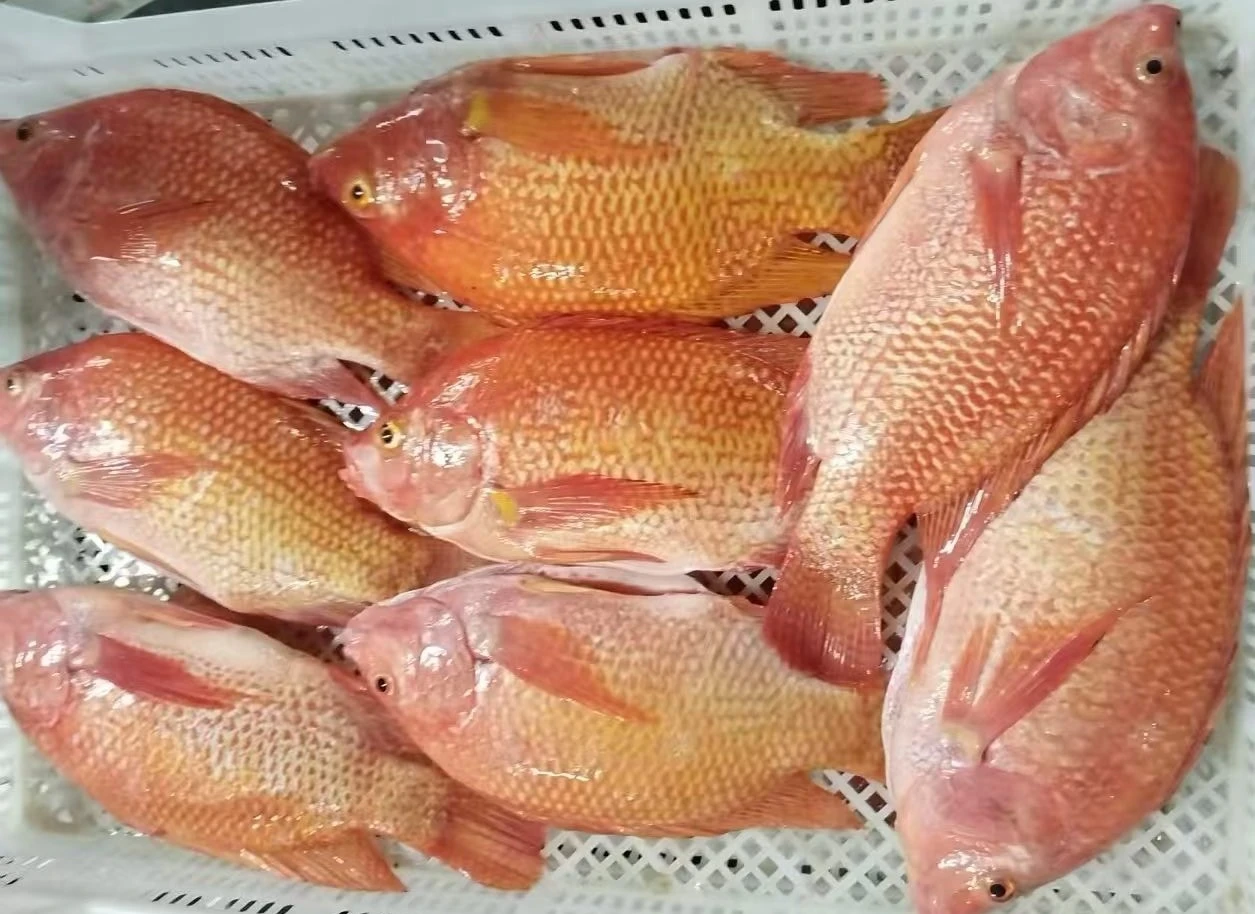
Red tilapia is not a distinct, independent species in the strict sense; rather, it refers to a lineage of red-colored variants resulting from the hybridization of Nile tilapia (*Oreochromis niloticus*) and Mozambique tilapia (*Oreochromis mossambicus*). Valued for their auspicious coloration, high-quality flesh, and rapid growth, they have become an economically important fish for aquaculture.
Basic Characteristics
- Classification and Origin: Belonging to the order Perciformes and the family Cichlidae, these fish are hybrid variants derived from Nile tilapia and Mozambique tilapia.
- Coloration: The coloration varies, commonly appearing as pink, orange-red, or reddish-orange. However, because offspring can sometimes revert to a black phenotype, careful selection of fry is essential.
- Appearance and Culinary Advantages: Resembling red sea bream, they feature a laterally compressed body with a high back. A key culinary advantage is the absence of a black lining (peritoneum) in the body cavity; the fish also have thick flesh and lack intramuscular "pin" bones, making them very convenient to prepare.
Habits and Aquaculture Traits
- Euryhalinity and Hypoxia Tolerance: These fish are highly adaptable, capable of thriving in both freshwater and seawater with salinity levels as high as 30‰–35‰. They also exhibit a strong tolerance for low-oxygen conditions.
- Temperature Requirements: As a tropical species, they tolerate a broad temperature range (approximately 15°C–38°C), with an optimal growth range of 25°C–30°C. It is important to note that feeding activity decreases when water temperatures fall below 16°C, and temperatures between 7°C and 10°C pose a lethal risk.
- Diet and Growth: They are omnivorous with a preference for plant-based matter, readily consuming plankton and algae. They grow rapidly; depending on the specific strain and farming conditions, fry can typically reach a weight of 150–750 grams within the first year.