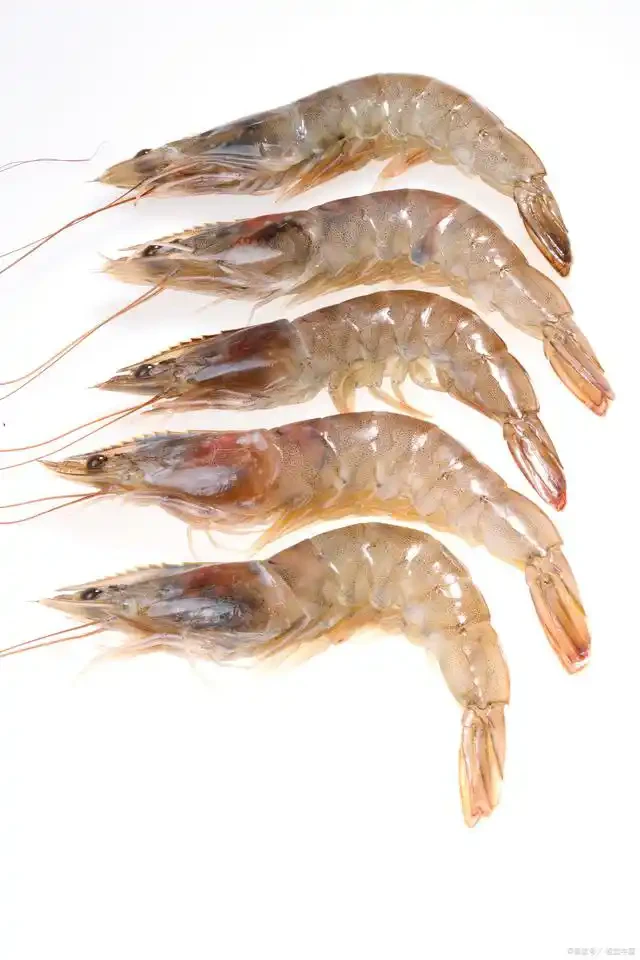
Shrimp in the Sea
Jul 28, 2026
Leave a message
The sea teems with countless delicious shrimp, from the deep sea to the shallows, each with its own unique characteristics. Today, let's get to know these marine creatures and see what makes them so special!
Types of Wild-Caught Shrimp
Tiger Prawn: With distinct segments on its shell, firm flesh, and delicious flavor, it typically lives in sandy or rocky seabeds.
Black Tiger Prawn: With a darker shell and tender flesh, it's best suited for deep-sea fishing.
Sand Prawn: Smaller in size, with delicate flesh, it often inhabits sandy bottoms in shallow waters.
Yellow Prawn (Tiger Prawn): Slender in shape, with sweet flesh, it's a common type of wild-caught shrimp.
Deep-Sea Prawn: Living at depths of 5000 meters, with a fiery red shell, it swims with an ethereal grace, earning it the title of "flying prawn" of the deep sea.
Differences in taste between wild and farmed shrimp
Wild shrimp: Firm and chewy texture, rich and sweet flavor with a unique ocean aroma, such as tiger prawns.
Farmed shrimp: Slightly softer texture, milder flavor, and more consistent taste, but lacks the complex flavor profile of wild shrimp.
Wild shrimp have a more intense sweetness and more tender texture, suitable for diners seeking the ultimate taste experience.
While farmed shrimp are not as sweet as wild shrimp, they are more affordable and suitable for everyday consumption.
Nutritional Value and Characteristics of Shrimp
Shrimp are rich in high-quality protein, unsaturated fatty acids (such as DHA and EPA), minerals, and vitamins, especially deep-sea shrimp which contain unique nutrients.
Morphological Characteristics of Shrimp: Decapodas of the subphylum Crustacea, with nearly 2000 species, ranging in size from a few millimeters to several meters, averaging 4-8 centimeters.
Habitat: They mostly live in sandy, muddy, rocky, or coral-rich areas on the seabed, using their abdomen and tail to swim rapidly backwards.
Dietary Taboos: Pairing shrimp with pumpkin, olives, oranges, red dates, grapes, papaya, or watermelon may cause discomfort.
Dietary Pairings: Shrimp is healthier when paired with broccoli, dragon fruit, lotus root, leeks, celery, loofah, or oats.