


Spanish Mackerel
Mar 19, 2025
Leave a message
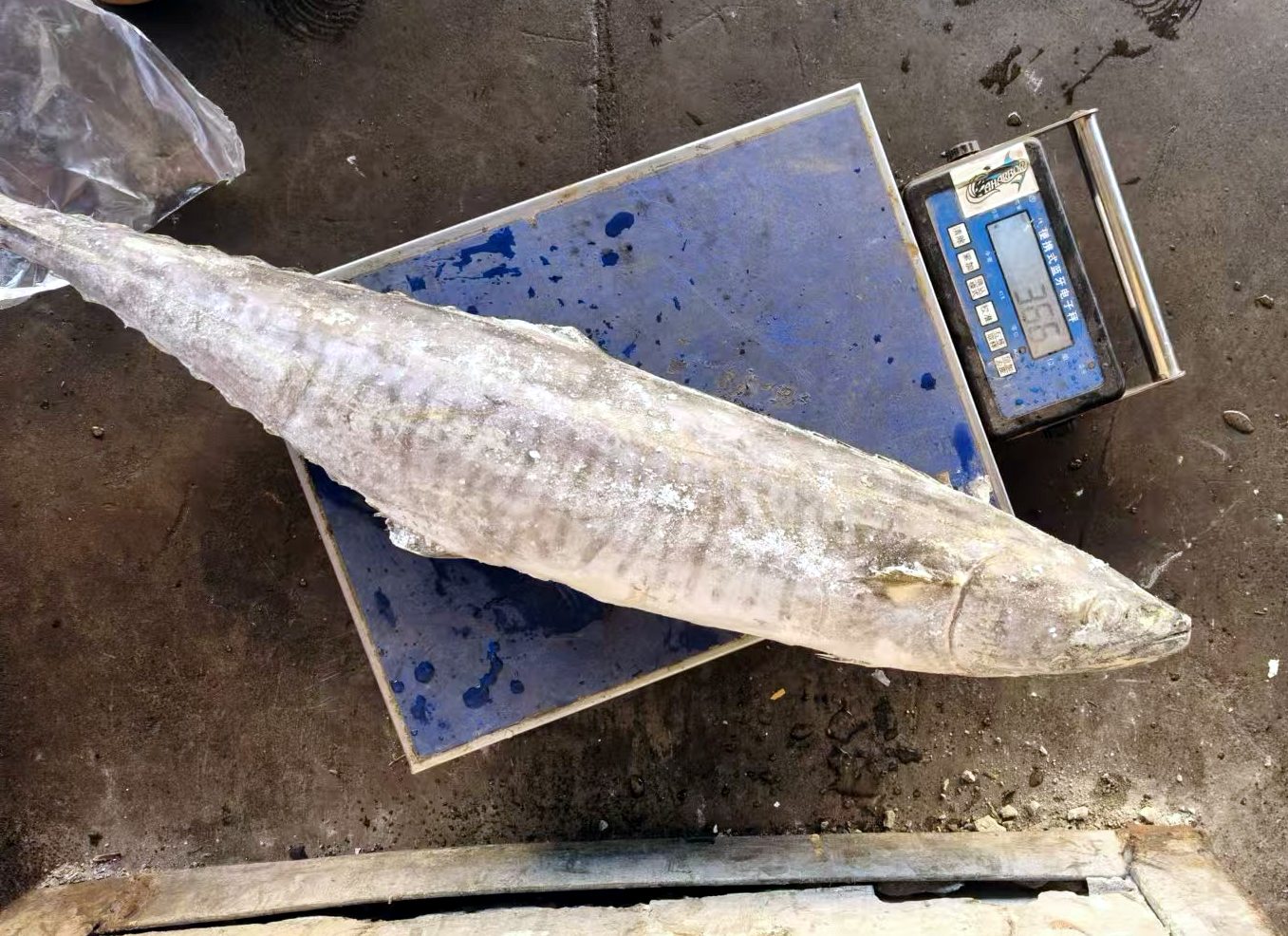
I. Characteristics
Spanish mackerel belongs to the Scombridae family under the order Perciformes. It has a streamlined body, a bluish-black back covered with blue spots, and a silvery-gray belly. It features a pointed snout, a large mouth, and sharp teeth, making it a fierce, warm-water pelagic fish that inhabits coastal waters. They often swim in schools, feeding on small fish and shrimp, and are known for their incredible speed, earning them the title of "speed killers" in the ocean. Spanish mackerel has firm flesh, few bones, and abundant nutrients, making it a delicacy in seafood cuisine.
II. Benefits
(1) High Nutritional Value
Spanish mackerel is rich in protein, containing approximately 21.2 grams of protein per 100 grams of fish. Its protein is of high quality and easily absorbed by the human body, providing ample energy and supporting normal physiological functions. Additionally, Spanish mackerel is abundant in unsaturated fatty acids, particularly DHA (docosahexaenoic acid) and EPA (eicosapentaenoic acid). DHA plays a crucial role in brain development and vision protection, often referred to as "brain gold," as it helps improve memory and prevent Alzheimer's disease. EPA, on the other hand, can lower blood lipids and prevent cardiovascular diseases, making it highly beneficial for the health of middle-aged and elderly individuals.
(2) Medicinal Properties
In traditional Chinese medicine, Spanish mackerel is believed to have certain medicinal properties. It is considered mild and sweet in nature, with effects such as replenishing energy and relieving coughs. It can help alleviate symptoms like physical weakness and chronic coughing. For example, steaming Spanish mackerel and consuming it can provide auxiliary treatment for patients with chronic coughs. Moreover, Spanish mackerel has a low fat content, making it an excellent choice for those seeking nutritious food while managing their weight.
III. Harvest Seasons
The peak seasons for Spanish mackerel are spring and autumn. In spring, as water temperatures rise, Spanish mackerel migrate from deep waters to coastal areas for spawning. During this time, the fish is at its most tender, with relatively higher fat content, offering a rich and flavorful taste. This makes spring one of the best times to enjoy Spanish mackerel. By autumn, after a summer of growth and feeding, Spanish mackerel accumulate ample nutrients, resulting in larger sizes, firm flesh, and a delicious taste, making it equally popular among food enthusiasts.
IV. Origin
In China, Spanish mackerel is primarily distributed in the Yellow Sea, East China Sea, and South China Sea. Among these, the Yellow Sea regions of Qingdao and Rizhao in Shandong Province are renowned for their high-quality Spanish mackerel, thanks to the excellent water quality and abundant marine resources that provide an ideal habitat. The Zhoushan fishing ground in Zhejiang Province is another significant production area. Its unique geographical location and ocean currents contribute to the exceptional taste and nutritional richness of Spanish mackerel from this region.