


Top 5 health benefits of canned tuna
Oct 08, 2022
Leave a message
What is tuna?
Tuna is a saltwater fish related to mackerel. There are around eight different commercial varieties that range in size from the small skipjack tuna to the large bluefin, and it is one of the most widely eaten fish in the world.
Tuna can be eaten fresh – either raw or cooked – and canned (which is always pre-cooked). Canned tuna in the UK is packed in brine, spring water or sunflower or olive oil.
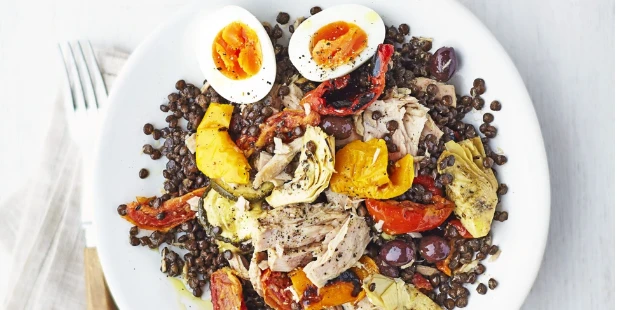
Nutritional benefits of canned versus fresh tuna
From a macronutrient point of view, there isn't a great deal of difference in the amount of protein or fats when comparing canned tuna in brine to fresh. Fresh tuna is naturally higher in protein and contains a few more calories.
A 100g serving of canned tuna (in brine) provides:
• 109 kcal / 460 kJ
• 24.9g protein
• 1.0g fat
• 69mcg selenium
• 0.733g salt
A 100g serving of fresh tuna (cooked) provides:
• 136 kcal / 579 kJ
• 32.3 g protein
• 0.8g fat
• 92mcg selenium
• 0.158g salt
When you buy tuna canned in oil, you can expect the fat content to increase to about 6.4g per 100g and the calories to be around 159 calories per 100g. When buying tuna, look for the Marine Stewardship Council Fisheries Standard (MSC) label, so you know the fish you are buying is certified sustainable.

Top 5 health benefits of canned tuna
1. Source of high-quality protein
Fish is a source of a high-quality protein, and canned tuna in particular offers an affordable protein source and makes a useful storecupboard staple.
2. Useful source of the amino acid taurine
As well as being a source of protein, seafood, including fish like tuna, is a useful source of the amino acid taurine. Studies suggest this amino acid may be helpful for protecting against heart disease.
3. Useful source of vitamins and minerals
Both fresh and canned tuna are a useful source of B vitamins, especially niacin (B3), which supports the nervous system and skin. Tuna also contains calcium, which supports healthy bones and muscle contractions; magnesium, required for energy; and vitamin D, which supports the immune system, bone strength and brain function. Fresh tuna (per 100g) has double the amount of vitamin D compared to that of canned tuna.
4. Low in fat
Tuna is low in fat, with just 1g of fat in a 100g edible portion – this is also the case for tuna canned in spring water or brine.
Although once considered an oily variety of fish, the type considered beneficial for heart health, the UK’s official advice on oily fish changed in 2018, with tuna no longer counting as a good source. This is because current data shows that levels of the long-chain omega-3 polyunsaturated fatty acids in fresh tuna are more comparable to that found in white fish.
5. May help weight management
Tuna, including canned tuna in spring water or brine, is low in fat and calories, but high in protein, making it a useful inclusion in a weight loss diet.