


The Impact of Ocean Warming on Fisheries
Aug 27, 2026
Leave a message
Warming ocean waters are profoundly affecting the distribution of squid and yellowtail, as well as the fishing industry. Simply put, squid stocks in traditional fishing grounds are plummeting as the species "flees" its usual waters, while warm-water species like yellowtail are appearing in large numbers in new areas, effectively "reshaping" the map of fishing grounds.
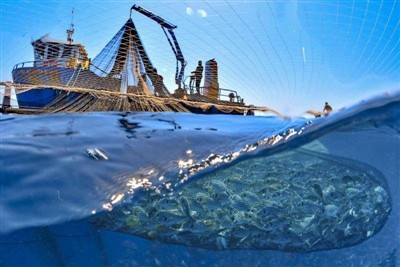
🦑 Impact on Squid: Depletion of traditional grounds and northward migration
Squid are highly sensitive to changes in seawater temperature, serving as a "barometer" for the marine ecosystem. The primary impacts of warming waters include:Sharp decline in stocks and shrinking fishing grounds: As ectothermic (cold-blooded) organisms, squid populations are directly affected by environmental changes. Research indicates that when marine heatwaves persist for more than 16 days or reach a cumulative intensity of 50°C-days, traditional squid fishing grounds contract significantly.
🐟 Impact on Yellowtail: Warm-water species expand their range
Yellowtail (also known as amberjack): Increasing stocks and northward shift of fishing grounds. Yellowtail are migratory, warm-water fish; warming ocean temperatures have actually expanded their habitable range.
For fisheries management, this implies a need for more flexible and precise strategies-shifting from a passive "waiting for the catch" approach to dynamic tracking and adaptive management.