What are the fishing methods in the fishing industry?
Feb 19, 2025
Leave a message
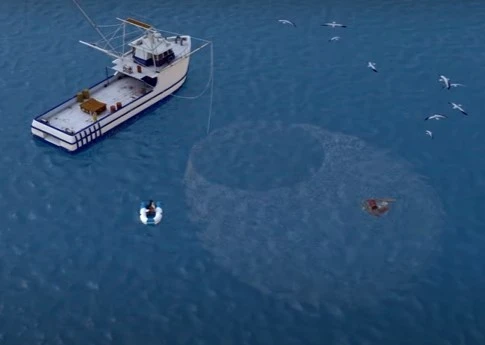
Purse Seines
Purse seines encircle fish schools with large walls of netting. Metal rings are evenly spaced along the lower edge of the net, connected by a steel or rope "purse line." During operation, the bottom of the net is drawn closed like a purse to trap fish.
Floating Object Purse Seines: Use natural or artificial floating objects, known as Fish Aggregating Devices (FADs), to attract tuna schools. However, FADs can lead to bycatch of juvenile fish, sharks, and other vulnerable marine life, posing ecological risks. Mitigation measures include reducing FAD usage, adopting biodegradable or non-entangling FADs, and improving management and data collection.
Trolling Lines
Trolling lines use moving lines with baited hooks to catch fish. Multiple lines are typically towed simultaneously and retrieved manually or mechanically. Non-target species can be released quickly since lines are reeled in shortly after a bite.
Pole-and-Line Fishing
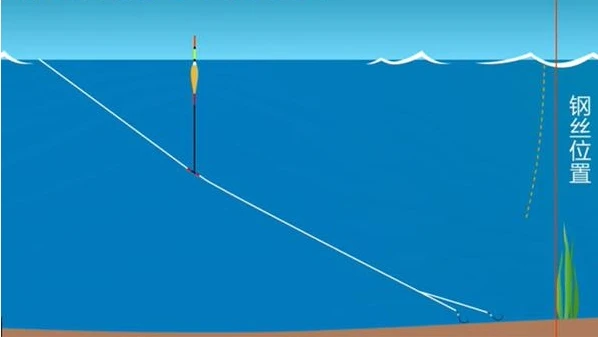
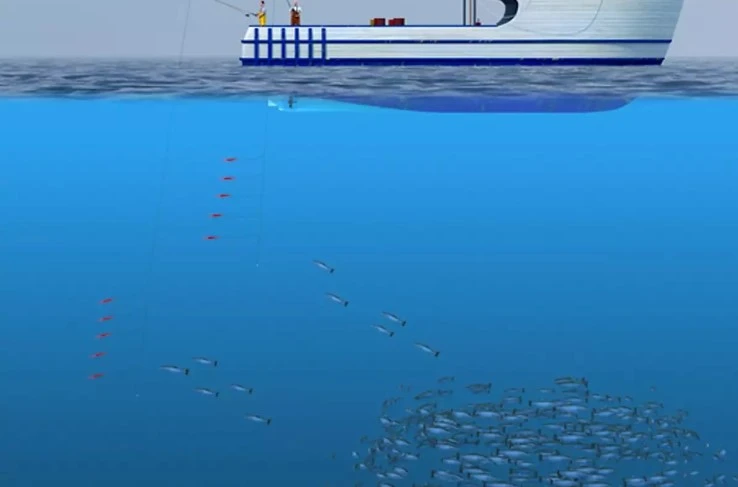
Pole-and-line gear employs one or more lines with baited hooks to catch fish ranging from open-ocean tuna to bottom-dwelling cod. Lines may be attached to poles or operated independently, often using reels. Depending on the fishing type and location, gear may be hand-operated or mechanized. Bycatch impacts are minimal as fishers can release unintended catches.
Handlines and Jigs
Handlines: Used for high-value species .Fishermen manually haul in lines hand-over-hand.
Jigs: Consist of lines and multi-hook grapnels. They are moved manually or mechanically to lure fish, then jerked to hook them.
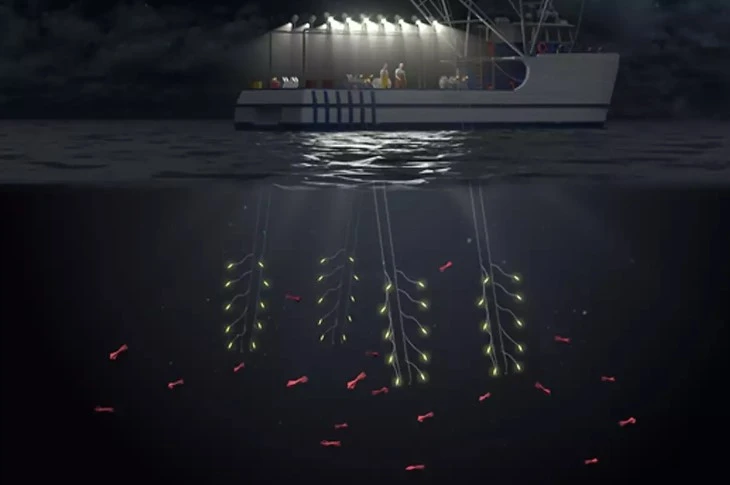
Squid Jigging: Typically conducted at night with surface lights to attract squid, though underwater lights are also used during daytime.